
HOT WATER & HEATING / FRASER FIX ADVICE
No hot water? What to check before a service call in BC
No hot water at the kitchen tap or in the shower can interrupt the whole day. Before guessing that your tank has failed, collect a few safe observations. They help explain whether the issue affects one fixture or the entire property—and make the first conversation with a service company more useful.
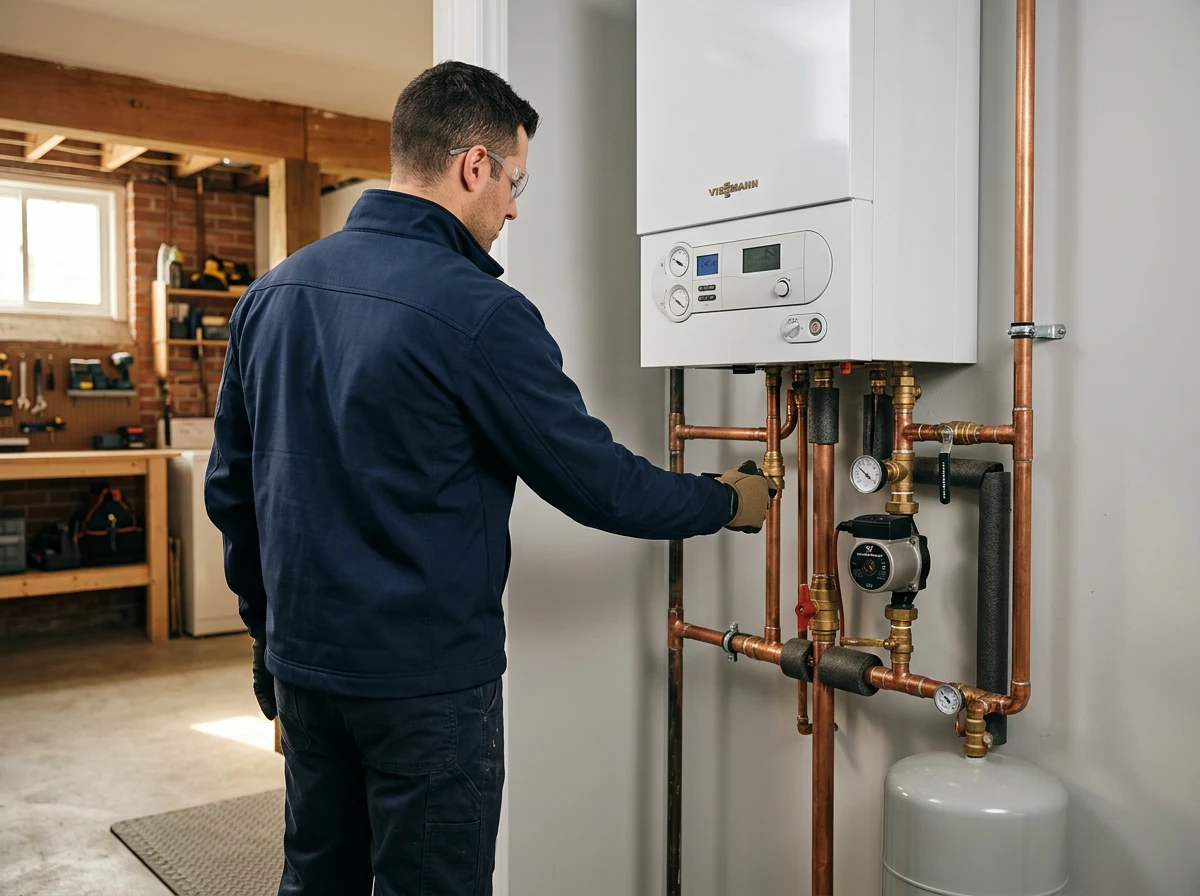
THE SHORT ANSWER
If the whole home has no hot water, note the heater type, visible status and when the problem started, but do not open covers or work on gas or electrical components. If only one tap is affected, report that distinction. For leaking equipment, a suspected gas leak or other hazards, prioritize safety and call for qualified help.
1. Is the problem at one tap—or throughout the home?
Try to describe which fixtures are affected without running water unnecessarily. Is the shower cold but the kitchen tap still getting hot? Does the problem occur at every hot-water outlet? A single-fixture problem and a whole-property outage may call for different investigations.
Also note whether the water is completely cold, becomes warm then quickly cools, or takes longer than usual to heat. These observations are more useful than assuming a particular component has failed. In a multi-unit building, ask whether nearby units are affected—but do not enter shared equipment rooms without authorization.
- One outlet, several outlets, or every outlet?
- Completely cold, inconsistent, or running out sooner than before?
- Did the issue begin suddenly or worsen over time?
2. Identify the water heater without taking it apart
If it is safe to approach, look for the manufacturer label on the outside of the unit. Note the make, model, approximate age and whether it is a storage tank or tankless system. If a readable warning or fault code is visible on the normal display, write it down exactly.
Do not remove a panel, reset unfamiliar safety controls or troubleshoot gas valves and wiring yourself. Manufacturer instructions and qualified assessment matter because different equipment can have very different safety and service requirements. Even a small change to a gas or venting system needs professional attention.
- Tank or tankless; gas or electric, if known
- Make, model and age from a safely visible label
- Any external display message or visible moisture
3. Know when the issue is more than an inconvenience
Water around the base of a heater, active leaking near electrical equipment, an unusual burning smell or visible damage changes the priority. Stay clear of hazards, avoid touching affected electrical equipment and call for qualified service. If there is immediate danger, contact emergency services rather than waiting for an online form.
If you smell rotten eggs and suspect a natural gas leak, stop using the area, do not operate switches or phones inside, leave the building and call FortisBC at 1-800-663-9911 or 911 from outdoors. Do not try to confirm a leak by adjusting the appliance.
4. Tank and tankless systems raise different questions
For a storage tank, describe whether hot water used to last longer, whether you see moisture around the unit and whether multiple fixtures lose hot water at the same time. Household demand can change, but it is not proof that the tank needs replacing.
For tankless equipment, note whether symptoms appear when one fixture runs or several run at once. A displayed error code or prior service history may help the contractor prepare. Neither set of observations confirms a diagnosis; it simply narrows the conversation.
5. Repair or replace? Compare the complete job
A water heater that is not heating does not automatically need a new unit. The assessment should consider the fault, equipment condition, appropriate parts availability and the scope of work. For replacement, ask about capacity, space, existing connections, ventilation and whether any related gas, plumbing or electrical work is needed.
A quote is easier to compare when it makes clear what is included: equipment, installation, permits or inspections if applicable, removal of old material and any follow-up. Avoid deciding from a single symptom or an online rule that says every heater of a certain age must be replaced.
- What can be repaired, and what remains uncertain?
- What changes to plumbing, venting or wiring might replacement require?
- Which assessment, disposal and permit arrangements are included?
6. A useful first message to the plumber
Start with your city, building type and main symptom: for example, “Townhouse in Langley; whole property has lukewarm water since yesterday; tank label and visible code available.” Add your preferred contact time, any water around the equipment and access restrictions.
Fraser Fix is based in Abbotsford and accepts enquiries from Surrey, Langley, Delta, Burnaby, Vancouver and other listed areas. Coverage and appointment timing are confirmed for your address. If the situation is urgent, call rather than relying on an email request.
QUICK ANSWERS
Frequently asked questions
Should I reset my water heater if there is no hot water?
Do not reset unfamiliar safety controls or open equipment covers. Check the manufacturer's safe user instructions and arrange qualified help where required, especially for gas or electrical faults.
Can a plumber tell from a fault code whether I need a new heater?
A visible code is helpful information but not a complete diagnosis. A professional assessment may still be needed to distinguish a repairable fault from a larger problem.
Does Fraser Fix work on hot water tanks in Surrey and Burnaby?
You can request a discussion about water heater service in Surrey, Burnaby and the listed service areas. Fraser Fix confirms actual availability, equipment scope and timing directly.
SOURCE REFERENCES
Further reading from official sources
Published October 28, 2026. General information only; building conditions, bylaws, equipment and safety requirements vary. This article does not replace qualified assessment, legal advice or emergency assistance.